
What's inside
- Best Portable SSD vs Memory Card for Photographers: The Two Jobs Defined
- Best Portable SSD vs Memory Card for Photographers: Products Compared
- The Six Products Reviewed
- Buying Guide: How a Photographer Should Split the Budget Between SSD and Cards
- Frequently Asked Questions About Portable SSDs vs Memory Cards
As an Amazon Associate I earn from qualifying purchases. This post may contain affiliate links at no extra cost to you.
The best portable SSD vs memory card for photographers sounds like a contest with one winner, and it is actually a division of labor that professional workflows settled years ago: the memory card is where photographs are born, inside the camera, at the speed the camera demands, and the portable SSD is where photographs are saved, backed up in the field, edited on the road, and carried home as the second and third copy. Asking which replaces the other is like asking whether the lifeboat replaces the ship. And yet the question is a real one at the camera shop counter, because both are small, both are rated in gigabytes and megabytes per second, both cost serious money at the capacities a working photographer needs, and a beginner building a kit must decide where the next three hundred dollars does more good, in faster cards, in a field SSD, or in the unfashionable answer this guide will defend: in the right sequence, cards first to the standard your camera’s burst and video modes require, then the SSD the moment your work leaves the studio, because a card full of a wedding is a single point of failure wearing a tuxedo. This guide compares six real, currently sold products across both families, explains the speeds that matter in camera and out of it, and builds the field workflow, card to SSD to home archive, that keeps a photographer’s life’s work from depending on any single small object.
Two vocabularies must not be confused, because the confusion costs money. A memory card’s speed is written for the camera: its sustained write speed, the floor it holds while a burst of raw files or a high-bitrate video stream pours in, graded in the V-ratings and the CFexpress standard’s honest throughput, determines whether your buffer clears or your video stops. A portable SSD’s speed is written for the computer: its sequential transfer rate over USB, up to the 2,000 megabytes per second class of the current leaders on a port that supports it, determines how fast a day’s shoot becomes two copies and how an edit drive feels under a Lightroom catalog. A card can be magnificent at the first and ordinary at the second, in a reader, on a deadline, and an SSD cannot do the first job at all. Buy each by its own vocabulary, and be suspicious, this guide advises, of any product page that quotes a peak read speed when your life depends on a sustained write.
Our Top Picks
Best Portable SSD vs Memory Card for Photographers: The Two Jobs Defined
In the Camera: Cards, Sustained Writes, and the Cost of a Dropped Frame
The card’s job is violence at speed: a modern mirrorless camera at full burst produces raw files at a rate that would shame a small server, and a cinema-spec video mode writes a continuous river that either flows or stops the take. The formats divide by camera and by ambition. SD cards, in their UHS-II form and their V90 grade at the top, serve most stills and serious video work at a cost per gigabyte the exotic formats envy. CFexpress, Type A in Sony’s compact cameras and Type B in most others’ flagships, writes several times faster, clears buffers in a blink, and unlocks the top video modes some cameras gate behind it, at prices per gigabyte that make photographers wince in a dialect all their own. The buying rule is the camera manual’s, read literally: buy the card class your most demanding mode requires, in the capacity your longest unbroken shooting block consumes, and buy it from the makers in this table through channels you trust, because counterfeit cards are this industry’s plague and a fake card’s failure mode is your shoot. Cards are the one purchase where this guide forbids bargain hunting outright.
Out of the Camera: The SSD as Field Vault and Editing Drive
The SSD’s job begins where the card’s risk peaks: a full card, holding the only copy of unrepeatable work, in a camera bag, in a world of theft, loss, and small electronic deaths. The field ritual this guide teaches is offload early and often, the card copied to the SSD at the break, at the venue change, at the hotel, through a fast reader or, in the card-reader-equipped workflows some SSD ecosystems support, reader to drive with a computer or a phone as the conductor, after which the card may be formatted and returned to service while the SSD carries copy one and the card, unformatted on the biggest days, remains copy two until home. At home the SSD graduates to the editing drive, its speed making culling and raw work feel instant in a way a spinning disk never did, until the archive, the home NAS or the big local drives plus a cloud or off-site copy, receives the finished work under the 3-2-1 rule this guide will state in its buying steps. Sized honestly, one to two terabytes serves a stills photographer’s travel life; video-first shooters should read that as the floor and price the four-terabyte class without flinching, because footage eats what stills snack on.
Cost per Terabyte, Durability, and the Physics of Small Objects
Run the arithmetic and the families’ economics explain their roles. A portable SSD delivers a terabyte for the price of a modest dinner for two at the current market’s mood, in a sealed metal shell rated, in the rugged rows here, for drops and dust and water resistance that a camera bag’s life appreciates. A top-grade CFexpress card delivers its gigabytes at ten to twenty times that rate, because its customer is not storage but speed inside a camera’s slot, and it is bought by the pair, the working card and its rotation partner, in capacities counted in hundreds of gigabytes. Durability divides them oddly: the SSD is a vault with no moving parts and a shell built for abuse; the card is a sliver that survives being sat on and, in the Tough-class designs, being bent and dropped and rained on, yet dies most often by the human hand, left in a pocket, a reader, a rental car. The workflow, not the hardware, is the reliability strategy: copies in two places before the day ends, the originals untouched until the archive confirms, and no single object, however rated, ever again the sole custodian of a wedding.
Best Portable SSD vs Memory Card for Photographers: Products Compared
| Product Model | Type and Key Specs | Best For | Typical Price Range | Rating |
|---|---|---|---|---|
| Samsung Portable SSD T9 (1TB-2TB class) | Portable SSD, USB 3.2 Gen 2×2 up to 2,000 MB/s class, drop resistant, compact metal body | Best portable SSD for photographers overall | $130 – $260 by capacity | 4.7 / 5 |
| SanDisk Extreme Pro Portable SSD (1TB-2TB class) | Portable SSD, up to 2,000 MB/s class, IP65 class rating in this line class, forged aluminum chassis | Best rugged field SSD | $140 – $280 by capacity | 4.6 / 5 |
| Sony CFexpress Type A TOUGH (160GB-320GB class) | Memory card for Sony cameras, high sustained write class, TOUGH bend and drop resistant design | Best card for Sony shooters | $200 – $400 by capacity | 4.6 / 5 |
| Lexar Professional CFexpress Type B DIAMOND class | Memory card for flagship cameras, very high sustained write class for 8K raw video in this line class | Best card for video and bursts | $250 – $450 by capacity | 4.5 / 5 |
| SanDisk Extreme PRO SDXC UHS-II (128GB-256GB class) | SD memory card, V90 video class, fast read for offload in this line class, widely compatible | Best SD card for most photographers | $120 – $260 by capacity | 4.5 / 5 |
| ProGrade Digital CFexpress Type B class | Memory card, high sustained write class, maker known for card and reader ecosystems and refresh software in class | Best card and reader ecosystem | $220 – $420 by capacity | 4.5 / 5 |

SANDISK 1TB Extreme Portable SSD, Up to 2000MB/s Transfer Speeds-New Model | External Solid State Drive, IP65 Water & Dust Resistant, Up to 3M Drop Protection, 256-bit AES Encryption, USB-C 3.2 Gen 2
As an Amazon Associate we earn from qualifying purchases. Product prices and availability are accurate as of the date/time indicated.
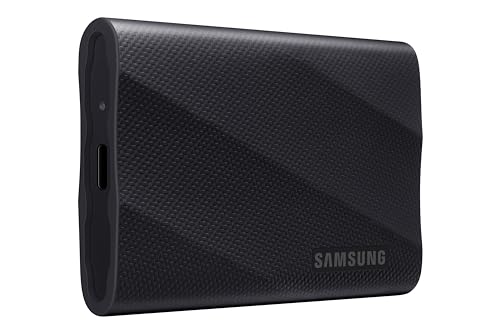
Samsung T9 Portable SSD 2TB, USB 3.2 Gen 2x2 External SSD, Up to 2,000 MB/s | External Solid State Drive for Gaming, Students and Professionals, MU-PG2T0B/AM, Black
As an Amazon Associate we earn from qualifying purchases. Product prices and availability are accurate as of the date/time indicated.

Seagate 2TB Portable Hard Drive | USB 3.0 (STGX2000400) | Everyday HDD storage. Plug-and-play backup. Windows & macOS. Adobe CC trial included. 1-Year Warranty
As an Amazon Associate we earn from qualifying purchases. Product prices and availability are accurate as of the date/time indicated.
Prices shown are approximate and for reference only. Prices change often, so please check the current price on Amazon before you buy.
Speeds and ratings summarize manufacturers’ published information for current versions; SSD speeds require a host port of the matching USB class. Ratings are editorial, weighing sustained performance, durability, ecosystem, and value within each product’s own job.
The Six Products Reviewed
1. Samsung Portable SSD T9: Best Portable SSD Overall
The T9 is the field vault at its most refined: two thousand megabytes per second of class speed when the port allows it, half that and still brisk when it does not, in a credit-card footprint of textured metal that disappears into a bag’s smallest pocket and survives its drops. Its offload pace is the workflow’s heartbeat, a day’s stills becoming a second copy during a coffee, and its manners as an editing drive, cool, silent, instant, make the laptop feel upgraded beyond its years. It asks for the USB port discipline this guide described, its full speed lives on 20-gigabit USB that not every laptop carries, and even at half speed it outruns every photographer’s patience by enough. For the SSD half of this comparison, it is the default, and defaults at this level are earned across generations, the T7’s long reign passing to a worthier heir.
2. SanDisk Extreme Pro Portable SSD: Best Rugged Field SSD
SanDisk’s Pro portable is the SSD for the photographer whose field is an actual field: a forged chassis, water and dust resistance in the IP65 class, drop tolerance rated for the tailgate and the trail, and the same two-thousand class speed as the leader when the port cooperates. Its silicone skin grips a wet hand and a car roof with equal confidence, and its carabiner loop acknowledges, as few electronics do, that bags have outsides. A generation of these drives had a public reliability controversy that SanDisk addressed with firmware and replacements, and this guide’s counsel is the general one it gives for all field media: current firmware, a second copy always, and no drive, however rugged, as a sole custodian. Bought with that discipline, it is the adventure photographer’s vault of choice.
3. Sony CFexpress Type A TOUGH: Best Card for Sony Shooters
Sony’s Type A cards are the small-format CFexpress that its compact flagships take, and the TOUGH construction, a molded shell rated against bending, dropping, and the elements far beyond an ordinary card’s courage, answers the card’s most human failure modes before they happen. Its sustained writes unlock the cameras’ top stills and video modes as the manual promises, and its capacities, counted in hundreds of gigabytes, are sized to a day’s serious shooting rather than to an archive, which is the correct sizing for its job. Its price per gigabyte is the format’s usual wince. Within the Sony system it has no substitute for the modes that require it, and its owners’ consolation is real: it will likely outlive the camera it serves, and serve the next one.
4. Lexar DIAMOND CFexpress Type B: Best for Video and Bursts
Lexar’s DIAMOND line is the Type B card aimed at the summit: sustained writes in the class that 8K raw video and the fastest flagship bursts demand, with a build and a warranty aimed at professionals whose card failure is a business event. It is the card a hybrid shooter buys when the camera’s top mode is not a brochure but a deliverable, and its offload speeds, through a matching reader, respect a deadline. Its capacities and prices are a professional’s, and the stills-only shooter should hear this guide clearly: the card your modes require is the card to buy, and a flagship’s lesser modes are gloriously served by the SD row below at a fraction of the pilgrimage. Buy the DIAMOND for the work that needs it and it will never be the reason a take stopped.
5. SanDisk Extreme PRO SDXC UHS-II: Best SD Card for Most Photographers
The UHS-II Extreme PRO is the working photographer’s SD standard: V90 video credentials, burst stamina for the enthusiast flagships, read speeds that empty it into the SSD at a pace a deadline respects, and compatibility with effectively every camera that takes an SD card on earth. It is the card this guide sends the majority of its readers to, in pairs, sized to their longest shooting block, because the exotic formats’ premium buys speed their cameras’ modes will never request. Its discipline is the counterfeit warning, repeated here because this card, of all cards, is faked at industrial scale: buy from authorized channels, register and test on arrival, and let a suspiciously cheap listing be someone else’s education.
6. ProGrade Digital CFexpress: Best Card and Reader Ecosystem
ProGrade, founded by memory-card veterans, sells the professional’s whole chain: Type B cards with sustained performance aimed at cinema and burst work, readers that match them, and refresh software that health-checks and sanitizes its cards back to factory performance, a maintenance idea this guide wishes were universal. Its cards sit with Lexar’s at the format’s serious end, and its ecosystem thinking, the card and the reader and the software as one instrument, mirrors this article’s own doctrine that workflow outranks hardware. For the Canon, Nikon, and other Type B flagship shooter building a kit for years, it is the considered alternative to the famous names, and its owners’ loyalty is the kind earned at 2 a.m. on a deadline, which is the only loyalty in this industry that cannot be bought with advertising.
Buying Guide: How a Photographer Should Split the Budget Between SSD and Cards
Step One: Cards First, to the Standard Your Modes Require
Read your camera manual’s media page as law and buy the card class your most demanding used mode requires, not your most demanding owned mode, because a video specification you will never shoot should not tax a stills budget. Buy in pairs at minimum, the working card and its partner, so a full card leaves service to be copied while shooting continues, and size each card to one unbroken block of your work, a ceremony, a match half, a location, because smaller cards rotated often are a risk strategy as well as a capacity choice, limiting any single loss to a chapter rather than the book. Buy from authorized dealers, test each new card in the camera at full burst and in the reader at full offload before it earns a real shoot, and label every card with a number and your phone number, the cheapest insurance in this entire article.
Step Two: Add the SSD the Moment Work Leaves Home
The trigger for the SSD purchase is professional rather than financial: the first paid shoot, the first unrepeatable trip, the first day whose loss you would feel in your stomach, whichever arrives first. Size it at two to four times your largest day’s shooting for stills, and let video shooters start at two terabytes and think in multiples, because footage forgives no optimism. Build the field ritual around it until the ritual is reflex: offload at every natural break, verify the copy by opening files from the SSD, not by trusting a progress bar, keep the SSD and the cards in different bags or pockets from that moment, and format cards only in the camera, only after the SSD copy verifies, and on the biggest days not until the home archive confirms a third copy exists. This ritual, ten minutes at a time, is the difference between a photographer and a person hoping to remain one.
Step Three: Complete the Archive at Home, 3-2-1
Let the SSD retire from each job into the archive’s discipline: three copies of finished work, on two different kinds of media, with one copy off-site, the rule that has carried professional archives through fire, flood, theft, and ransomware without a lost portfolio. In practice for most photographers: the home workstation or NAS holds copy one, a large local backup drive, updated on a schedule by software rather than by memory, holds copy two, and a cloud archive or a drive at a family’s house holds copy three, with the field SSD wiped for its next job only after all three confirm. Review the archive annually, drives age, clouds change their terms, and an archive untested is a hope wearing a folder name. The SSD and the cards were the visible purchases. This system is the actual product, and a photographer’s grandchildren will judge the career by whether it exists.
Frequently Asked Questions About Portable SSDs vs Memory Cards
Can I shoot directly to a portable SSD instead of a memory card?
On a small number of cameras and in some video rigs, yes, recording to an external SSD over USB is a supported mode in certain cinema-leaning bodies and phone-based rigs, and where your camera’s manual offers it, it is a legitimate workflow with real advantages in capacity and offload. For the mainstream stills and hybrid cameras that are this guide’s subject, no: the card slot is the recording path, the SSD cannot take the camera’s place at the moment of capture, and adapters that pretend otherwise are a risk no shoot should carry. Read the division of labor as a compliment to both: the card is a recording instrument engineered for the camera’s violence, the SSD is a vault engineered for everything after, and a workflow that lets each do its own job will outrun, outlast, and out-survive any attempt to make one do both.
How many memory cards should a photographer own?
Enough that a full card never forces a decision under pressure: for most working patterns, two to four cards in rotation at your working capacity, which allows one in the camera, one copied and resting, and a spare for the day a card errors, is retired mid-job without argument, or simply hides in a pocket as cards do. Event and wedding photographers, whose blocks are long and whose copies must wait for breaks, run more, and video shooters run larger rather than more numerous, matched to the take lengths their work uses. Every card in the rotation should be numbered, tested, and retired at the first sign of an error, a corruption, or a write that felt wrong, because a card costs less than any shoot it could ruin, and the professional’s card case, small, labeled, and ruthless about retirement, is a more telling portrait of their reliability than their camera bag’s contents.
Is a portable SSD fast enough to edit photos and video from directly?
For photographs, unambiguously yes: the current SSD class reads a raw library faster than culling and editing can consume it, and a Lightroom or Capture One catalog living on a T9-class drive feels instant in the ways that matter, previews, scrolling, and batch work. For video, the answer scales with the footage: compressed 4K edits from a 2,000-class SSD over a matching port are a mainstream professional workflow, while multi-stream 8K raw and the heaviest codecs will find the ceiling of USB and argue for the workstation’s internal drives or a Thunderbolt-class external, a distinction your footage’s bitrate, not a brochure, decides. Two disciplines apply at every level: keep the SSD’s free space generous, because full SSDs slow, and keep the catalog’s backups on the archive’s schedule, because an editing drive is a working surface, not a vault, and the 3-2-1 rule governs it like everything else you cannot reshoot.
What should I do if a memory card fails or I delete photos by accident?
Stop, in the literal sense: remove the card, set it aside untouched, and write nothing more to it, because deleted and even many corrupted files survive on a card until new data overwrites them, and every additional photograph taken on it is a small demolition. At the computer, work only on a copy of the card’s image made with recovery software from the card makers and the established recovery houses, several of which bundle licenses with the professional cards in this table, and recover to a different drive entirely. If the card held unrepeatable paid work and the first recovery attempt falters, stop again and price a professional recovery service before experimenting further, because amateur persistence is the second commonest cause of total loss. Then let the failure teach the system this guide exists to build: the card was one copy among several from the day’s first break onward, so its failure, in a disciplined workflow, is an anecdote rather than a catastrophe, which is the entire difference between photographers who have lost work and photographers who have lost the story of almost losing it.
Related guides
- How to Choose Phone Charger for Slow Charging in 2026: 7 Phone Chargers That Offer Gentle Power, Safe Overnight Charging, and Reliable Performance for Slow Charging
- Best Wireless Printer for Student Dorms in 2026: Best Wireless Printer for Student Dorms for Small Space, Easy Printing, and Simple Dorm Use
- Best Earbuds vs Headphones for Office Work in 2026: Best Earbuds vs Headphones for Office Work
- Best Cheap Gaming Earbuds with Mic for Gamers in 2026: How to Pick Gaming Earbuds That Sound Great, Let You Talk Clearly, and Cost Under $50
More from Amazon
Programs that pair well with the guide above. Offers and eligibility are set by Amazon and may change.
Set up recurring deliveries of everyday items on eligible products. Terms and savings are set by Amazon.
Explore Subscribe & SaveFree shipping on eligible items, Prime Video and more. Eligible new members can start with a free trial.
Start a Prime free trialAudiobooks and podcasts to listen to on the go. Eligible new members can start with a free trial.
Try Audible freeRead from a large library of eBooks and audiobooks on any device. Check Amazon for current plans.
Explore Kindle UnlimitedAs an Amazon Associate we earn from qualifying purchases.

Write Your Review
No reviews yet. Be the first to share your experience!